Infrastructure as Code
Manual cloud provisioning through the console creates drift, makes audits painful, and means no two environments are exactly alike. Infrastructure as Code fixes that — every resource defined in version control, every change reviewed before it deploys.
Schedule a Free ConsultationWhen infrastructure is provisioned manually — through the AWS Console, Azure Portal, or GCP Cloud Console — it's invisible to version control. You can't see who changed what, when, or why. You can't reproduce an environment reliably. You can't review infrastructure changes the same way you review code. And when something breaks, finding what changed is a manual investigation through audit logs rather than a git diff.
Infrastructure as Code makes cloud resources behave like software: defined in files, reviewed in pull requests, deployed through pipelines, and auditable through git history. The same rigor that applies to application code applies to the infrastructure that runs it.
What IaC work involves
We cover the full IaC lifecycle — from initial implementation to ongoing governance and drift management.

Terraform implementation
Terraform is the most widely adopted IaC tool, with providers for AWS, Azure, GCP, and hundreds of third-party services. We design reusable module structures, configure remote state backends, and implement state locking. Module design decisions — granularity, parameterization, boundaries — significantly affect long-term maintainability.

Pulumi implementation
Pulumi uses general-purpose languages (TypeScript, Python, Go) instead of a domain-specific language. Preferable when infrastructure logic is genuinely complex — conditional resource creation, loops over dynamic data, integration with external APIs — and when your team is already comfortable in a supported language.
CI/CD pipeline integration
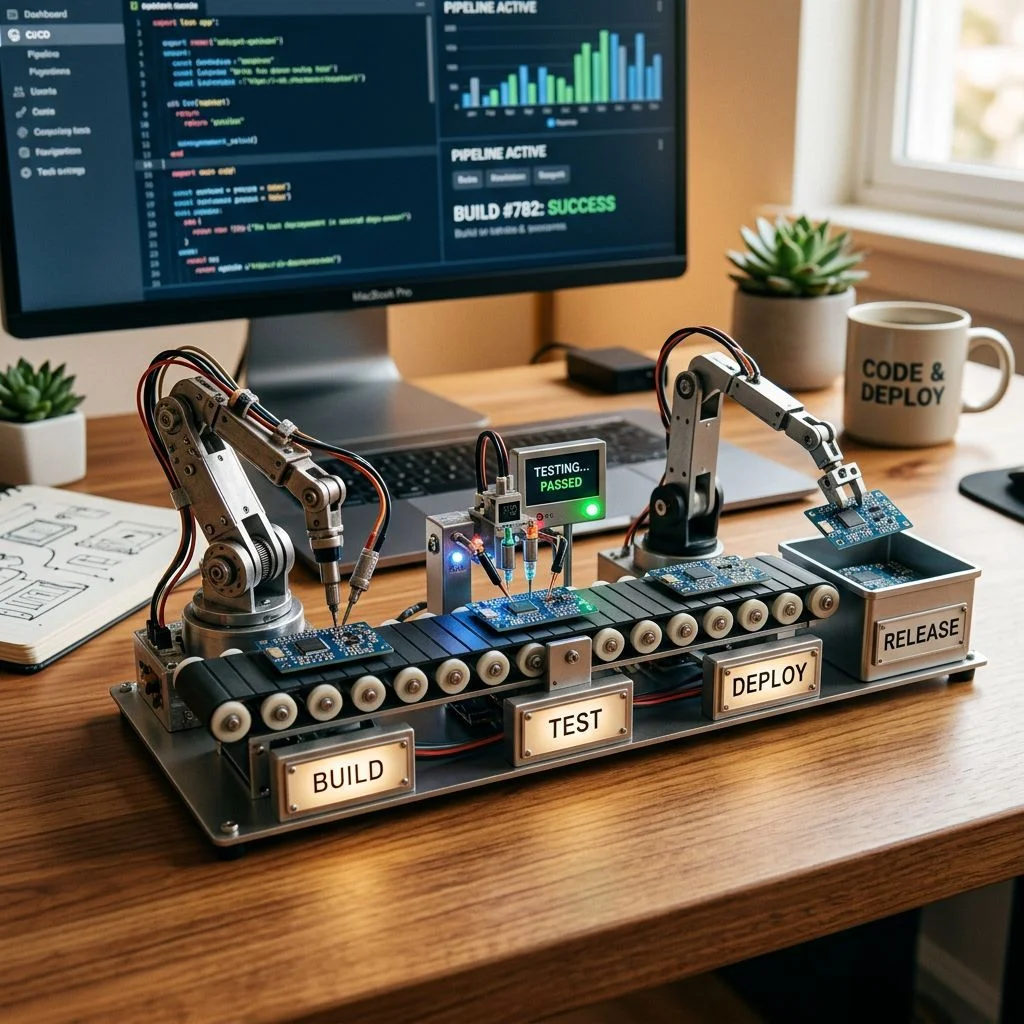
IaC without automated deployment pipelines reduces much of the value. We integrate Terraform or Pulumi into your CI/CD system — GitHub Actions, GitLab CI, Azure DevOps — so infrastructure changes go through the same review-then-deploy workflow as application code, with automated security scanning in the pipeline.
Drift detection
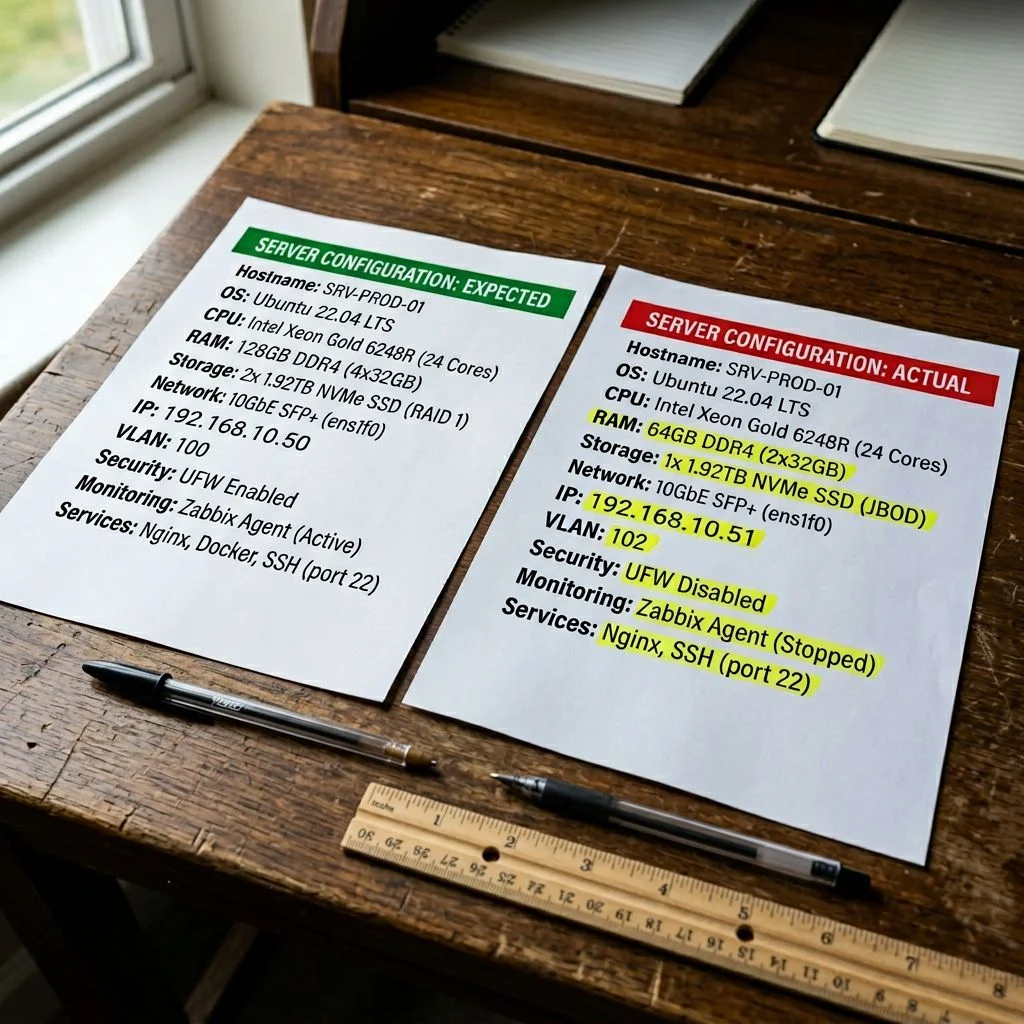
Drift happens when someone makes a manual change after the IaC codebase is established — a quick fix during an incident, a one-off configuration change. We implement scheduled drift detection that alerts when real infrastructure diverges from the IaC state, and document processes for handling emergency changes.
Policy as code
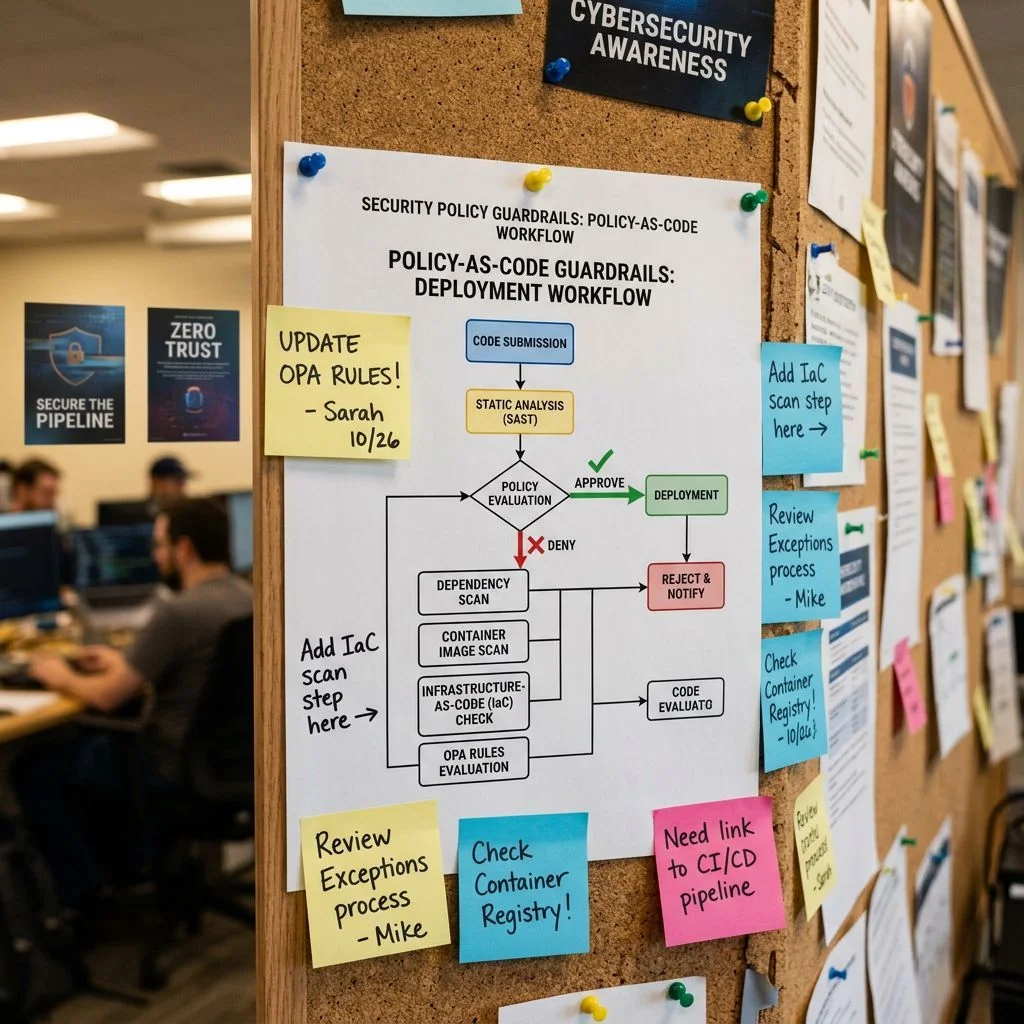
Organizational policies — no public S3 buckets, all EBS volumes encrypted, backup retention of at least 7 days — can be encoded as machine-checkable rules using OPA or HashiCorp Sentinel. These run in the pipeline and prevent non-compliant infrastructure from deploying.

Migrating from click-ops to IaC
Most organizations have infrastructure provisioned manually — sometimes years of it. Migrating to IaC without disrupting production requires importing existing resources into state, writing code to match, and building gradually. We manage this migration to avoid the "terraform wants to destroy half of it" scenario.
How an engagement works
Environment audit and scope
Document existing infrastructure, identify what's already managed by IaC (if anything), and scope the implementation. Agree on tooling (Terraform vs Pulumi), CI/CD platform, state backend, and module structure before writing any code.
Foundation modules
Build the core modules first — networking (VPCs, subnets, security groups), IAM foundations, and state backend. Get these right before building on top of them. These modules will be used by everything else.
Pipeline integration
Build the CI/CD pipeline alongside the codebase — plan on PR, apply on merge, security scanning in both. Every resource is deployed through the pipeline from the start, establishing discipline before there's much to manage.
Workload modules and import
Build workload-level modules for specific application components. For existing infrastructure: import resources into state, write code to match, validate with plan showing zero diff before any automation is enabled.
Team handover and enablement
Documentation, runbooks, and knowledge transfer so your engineering team can maintain and extend the IaC codebase independently. Including workflows for emergency changes and how to get drift back under control when it occurs.
What you receive
Engagement deliverables
IaC codebase
Production-readyProduction-ready Terraform or Pulumi modules covering your infrastructure, with clear module boundaries, parameterization for multi-environment use, and inline documentation.
CI/CD pipeline configuration
AutomatedPipeline definitions for plan-on-PR and apply-on-merge workflows, including security scanning integration and environment-specific deployment gates.
State backend and locking
Source of truthConfigured remote state backend with locking, versioning, and access controls. State is the source of truth — it needs to be treated accordingly.
Policy rules
EnforcedEncoded security and compliance policies (encryption requirements, public access restrictions, tagging requirements) that run automatically in the pipeline.
Drift detection setup
MonitoredScheduled drift detection with alerting and documented remediation process for when real infrastructure diverges from the IaC definition.
Runbooks and documentation
For operationsOperational documentation covering day-to-day workflows, emergency change procedures, module extension guidelines, and state management operations.
Who this is for
- → Engineering teams managing cloud infrastructure manually who want reproducible, reviewable deployments
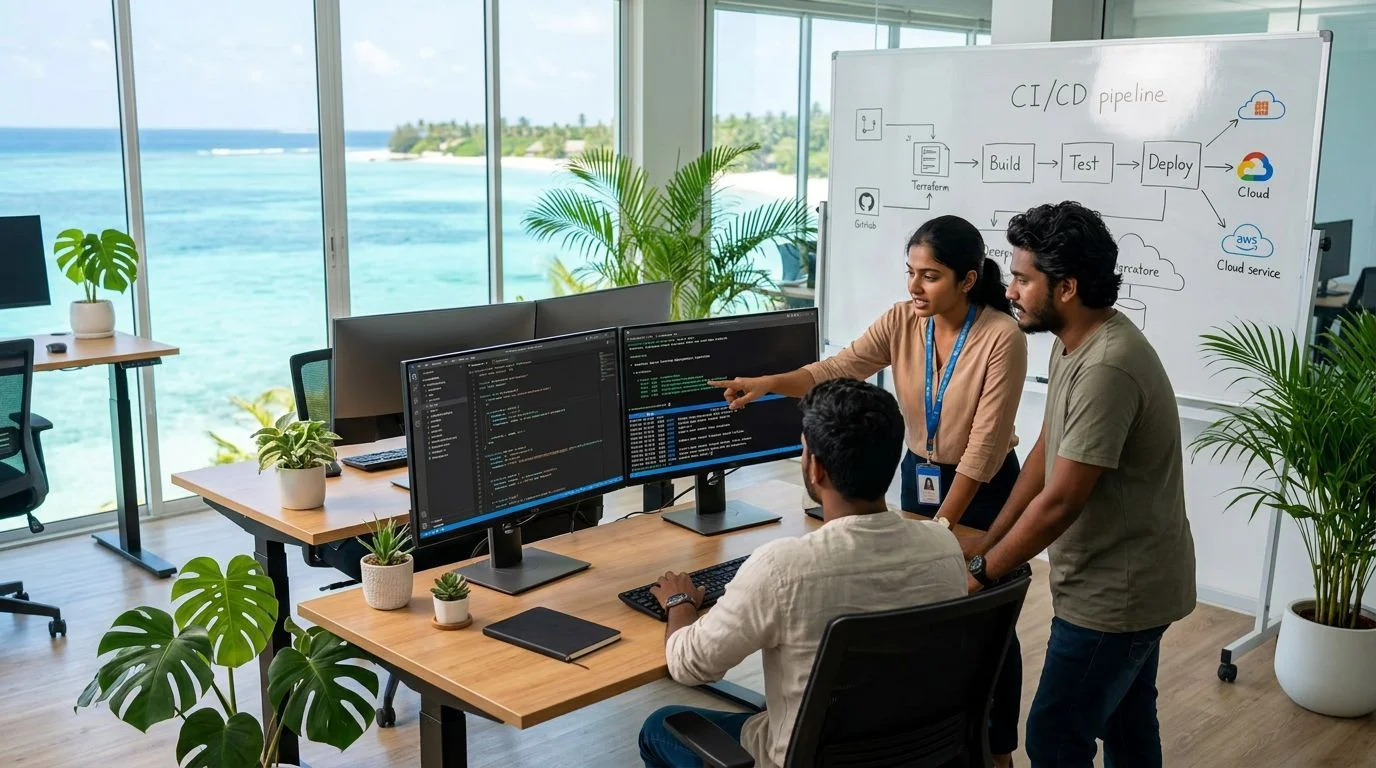
- → Resort groups and hospitality businesses in the Maldives managing infrastructure across multiple island properties who need consistent, reproducible environments
- → Organizations preparing for ISO 27001, SOC 2, or PCI DSS who need auditable infrastructure change control
- → Teams that have started with IaC but the codebase has become hard to maintain — poor module design, state problems, or no pipeline integration
- → Companies running multiple environments (dev/staging/production) who want them to be consistent and easily reproduced
- → Organizations that have experienced a production incident caused by an untracked manual change and want to prevent recurrence
Put your infrastructure under version control
Start with a free consultation. We'll look at your current environment, understand your tooling and team context, and scope an IaC implementation that fits your situation.
Schedule Free Consultation